We don't pick destinations because they're pretty. We pick them because they've made real commitments to protecting what makes them worth visiting — and because we can verify those commitments.
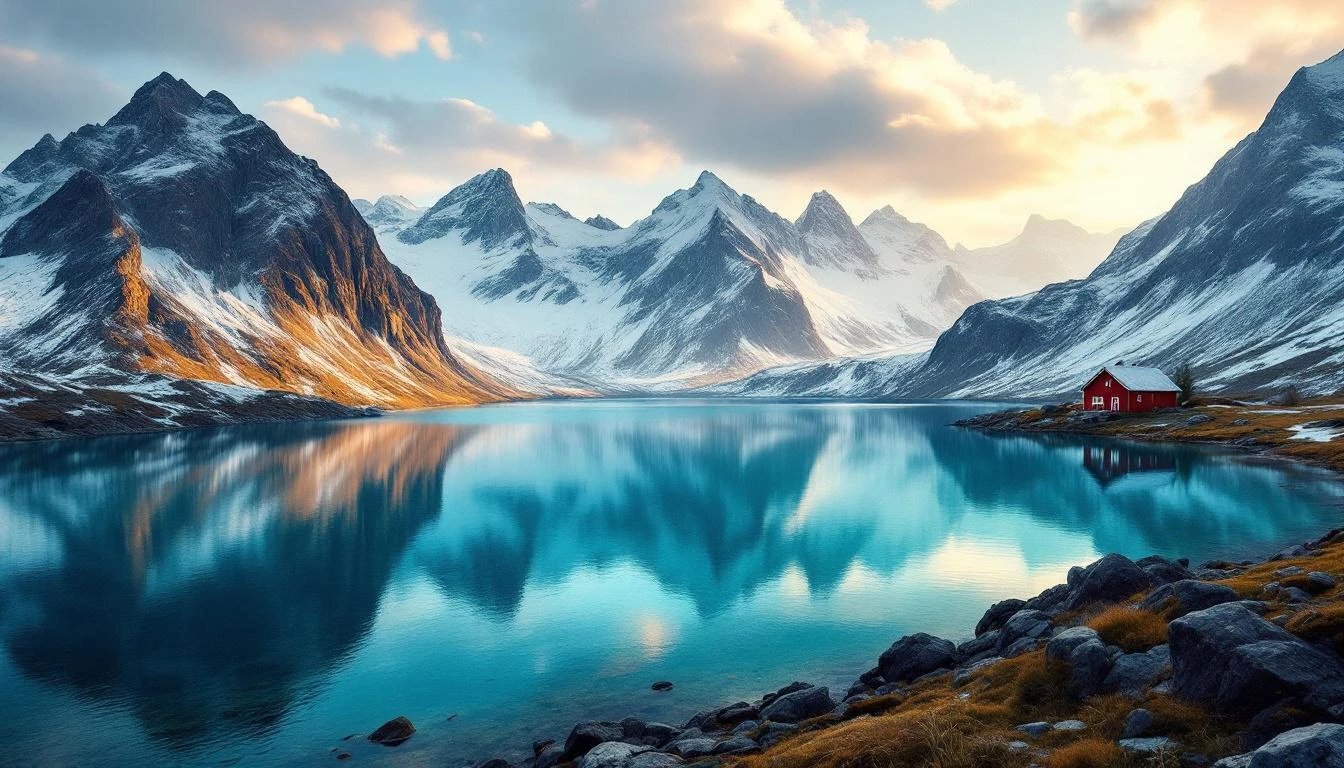
The largest Arctic wilderness in Europe, governed by some of the strictest environmental regulations on the planet. Everything you bring in, you bring out. Every footprint is monitored. Norway doesn't treat Svalbard as a tourism product — they treat it as a trust.
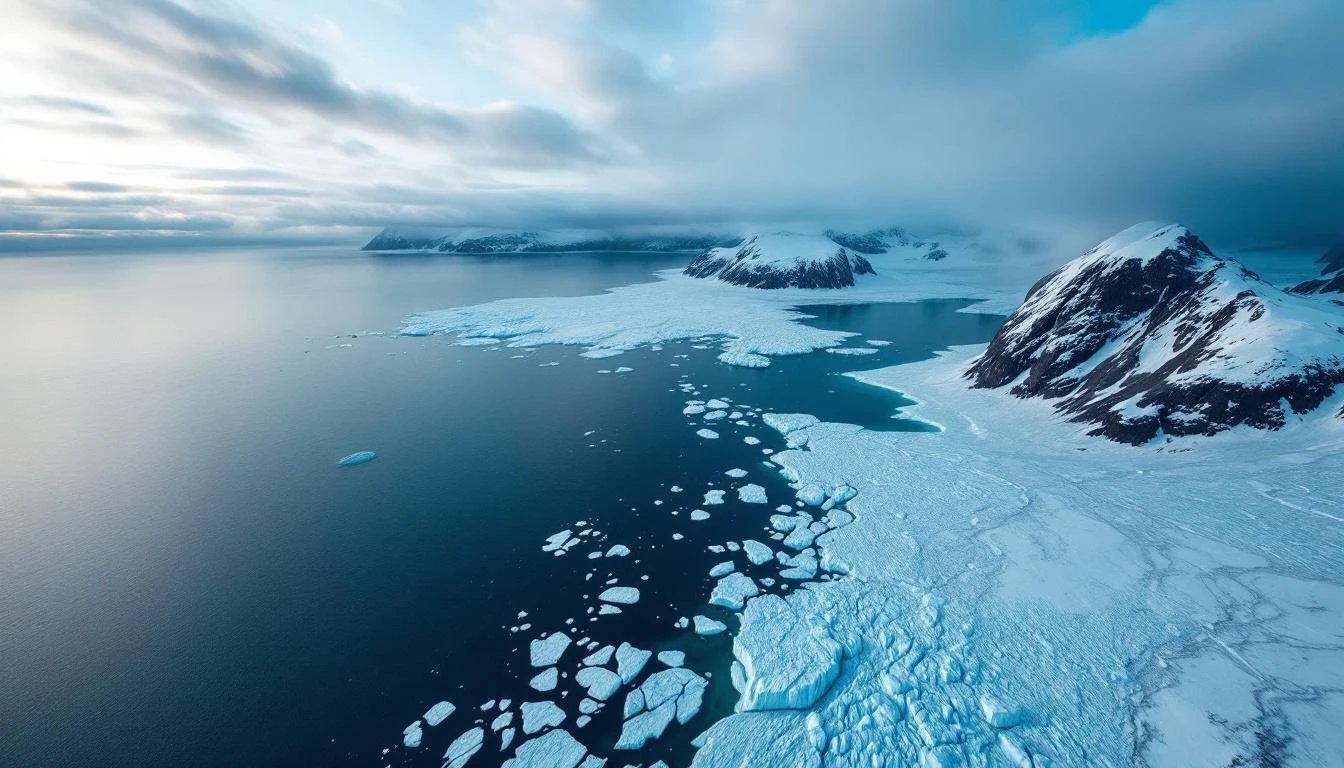
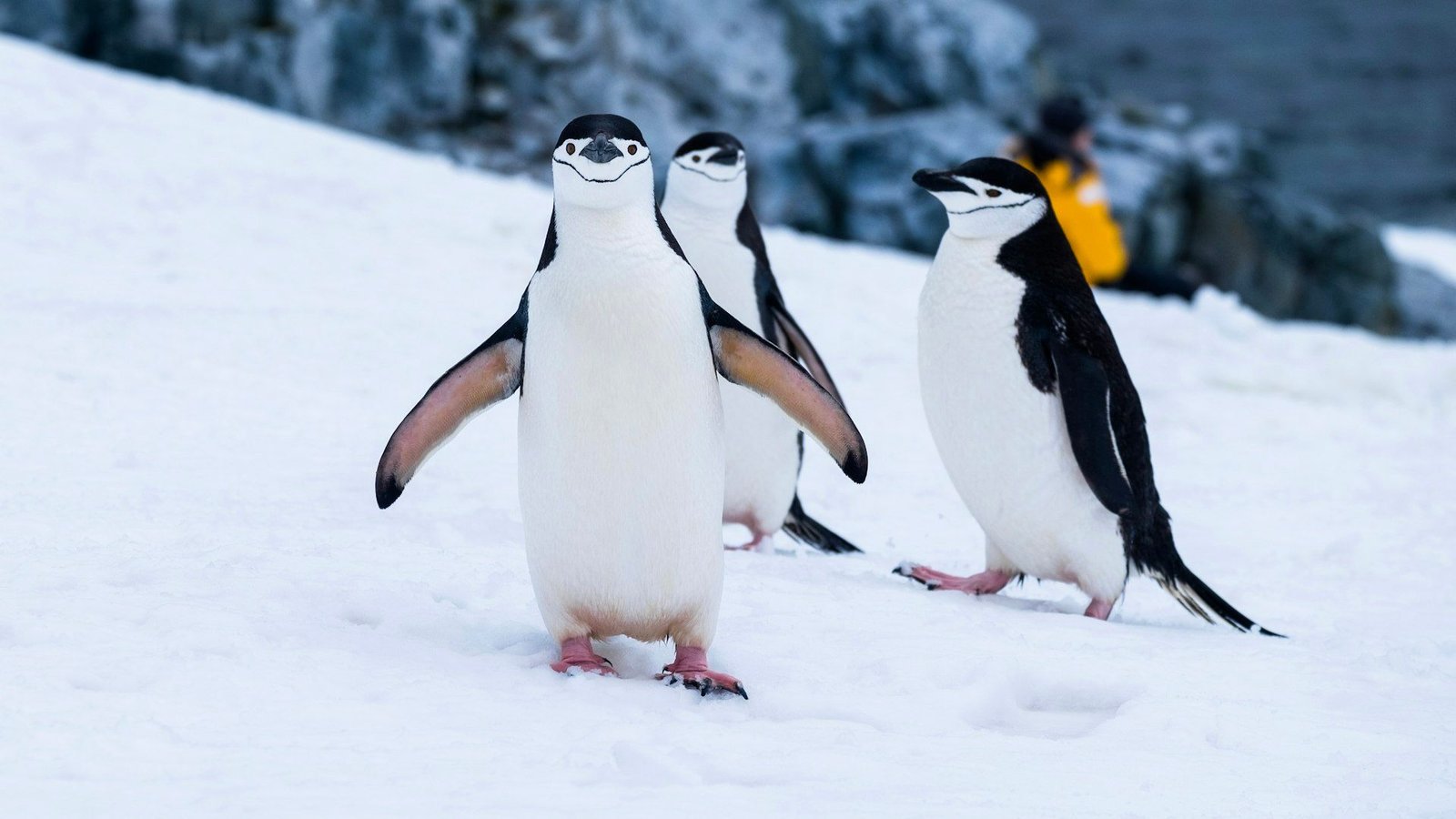
IAATO (the International Association of Antarctica Tour Operators) enforces a hard cap: no more than 100 visitors onshore at any given time. Ships over 500 passengers can't land at all. This isn't self-regulation theater — it's the most controlled tourism environment on Earth.
Strict biosecurity protocols protect one of the world's greatest wildlife concentrations — over 400,000 king penguins in a single colony. Every visitor, every bag, every piece of gear is inspected. The island's rat eradication program (completed 2018) is the largest habitat restoration in history.
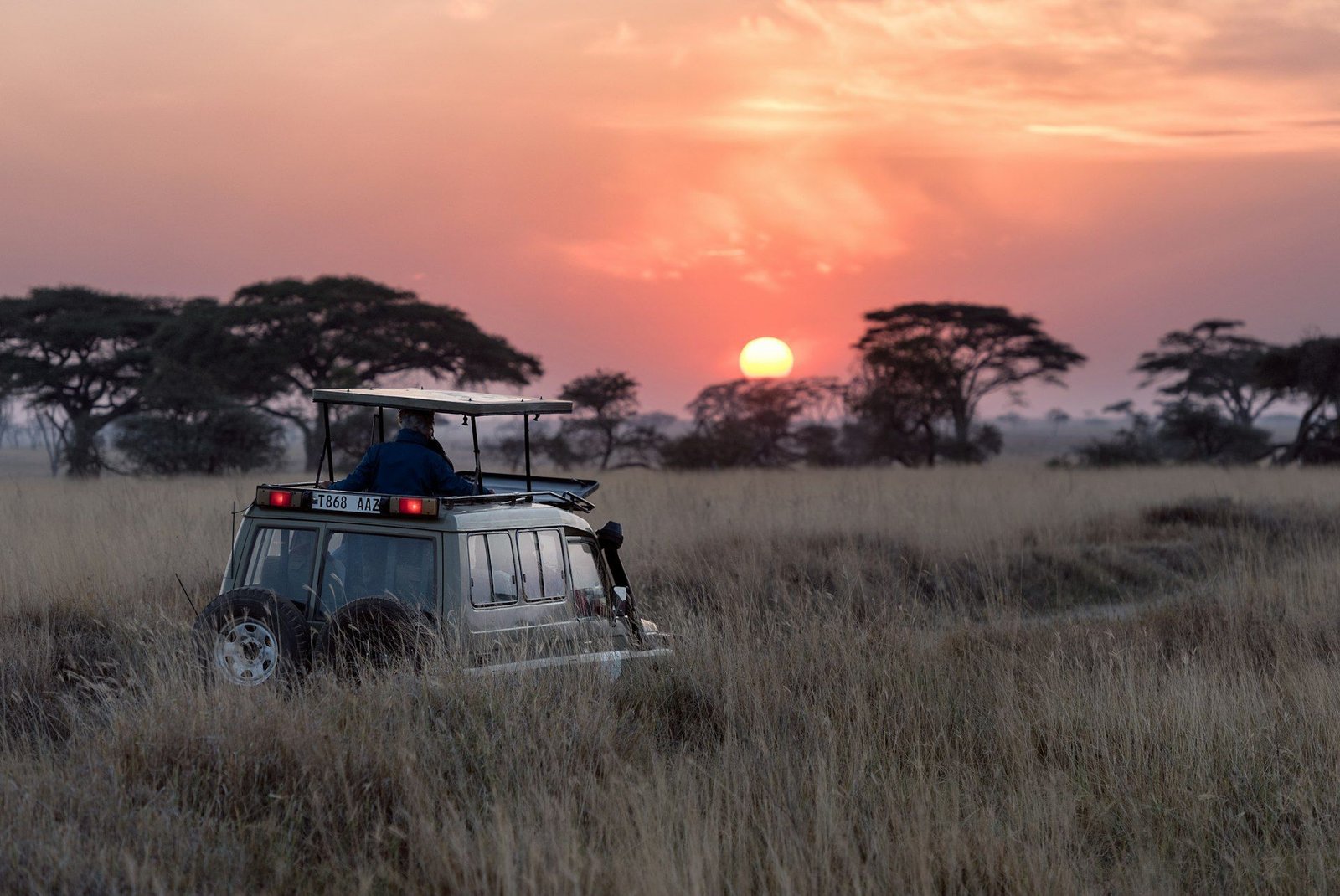
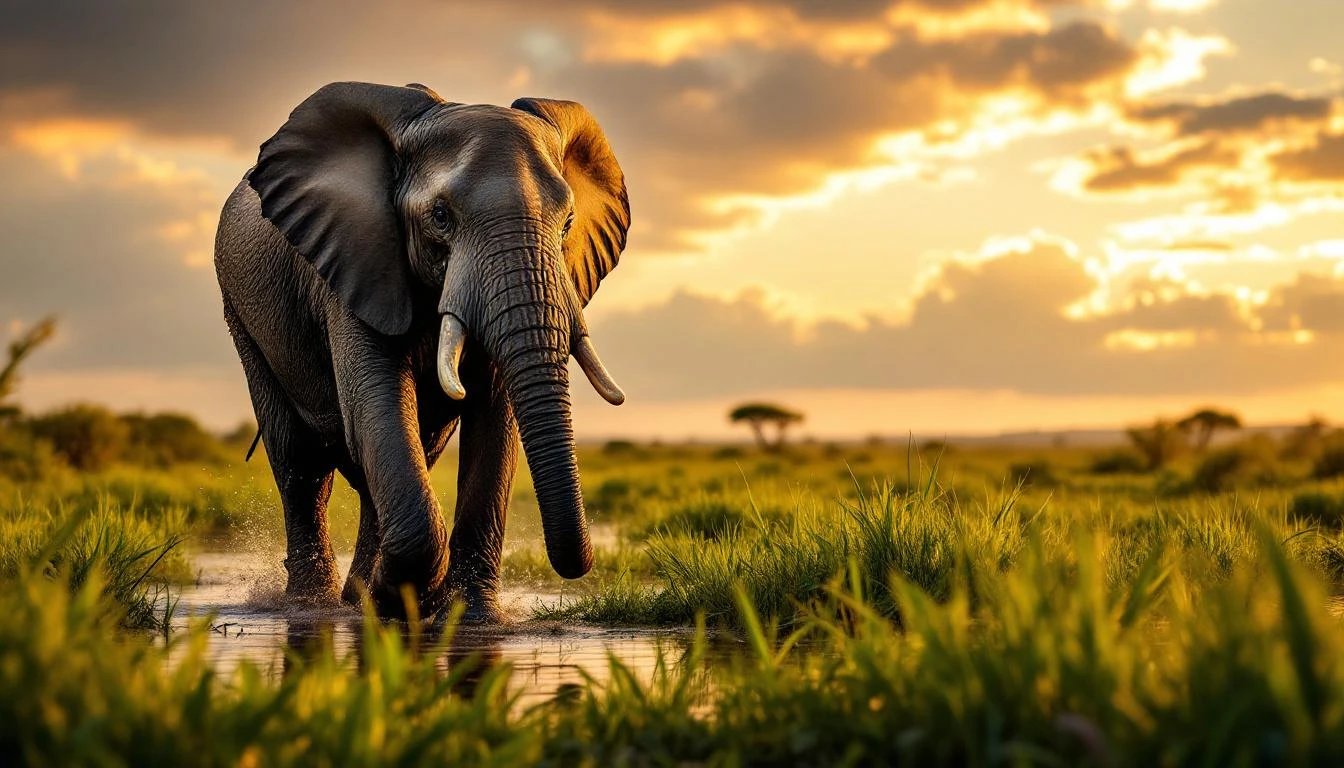
Botswana's government made a deliberate choice: low-volume, high-value tourism. No mass-market safaris, no budget lodges competing on price. Conservation isn't a marketing angle here — it's government policy. The Okavango Delta is managed as a national treasure, not a revenue machine.
Gorilla permits cost $1,500 — and that's the point. The revenue directly funds gorilla conservation and community development in surrounding villages. Mountain gorilla populations have increased from 680 to over 1,000 since the program started. This is the clearest example in the world of tourism literally saving a species.
Not the overcrowded national reserve — the community-owned conservancies surrounding it. Maasai landowners lease their land to conservation operators instead of selling to developers. Vehicle limits are strictly enforced, and lease fees go directly to Maasai families. Same wildlife, a fraction of the vehicles.
The conservancy model depends on tourism revenue. When COVID shut down travel, some conservancies nearly collapsed. The model works brilliantly — when visitors come.
The world leader in community-based natural resource management. Namibia wrote community conservation into its constitution. 86 communal conservancies now cover over 166,000 square kilometers — more than 20% of the country — and are directly managed by the communities who live there. Wildlife populations have rebounded dramatically as a result.
Strict visitor quotas and a $100 national park entry fee that directly funds conservation. Every vessel needs a permit, every itinerary is pre-approved, and every group has a certified naturalist guide. Ecuador takes the Galapagos seriously — it's a UNESCO site that actually enforces its protections.
Visitor numbers have been climbing. Ecuador raised the cap to 330,000 annual visitors in recent years. The system works, but it's under pressure.
Torres del Paine National Park and the Perito Moreno glacier — two ecosystems that are as close to untouched as you'll find in South America. Chile and Argentina have invested heavily in trail systems and park infrastructure designed to handle visitors without degrading the landscape.
The country that essentially invented ecotourism. Over 30% of its land is protected, it runs on 99%+ renewable electricity, and its Payment for Ecosystem Services (PES) program literally pays landowners to keep forests standing. Forest cover has doubled since the 1980s — one of the only countries on Earth where that's true.
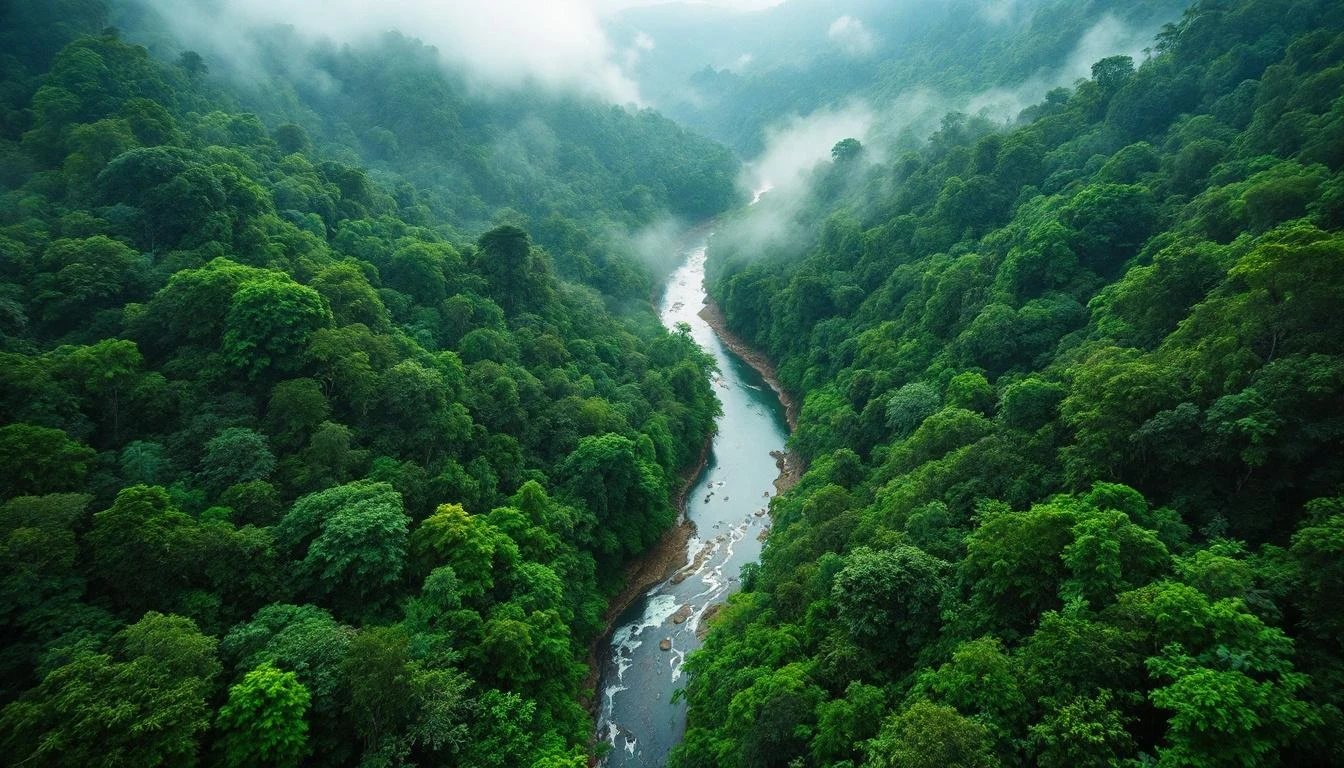
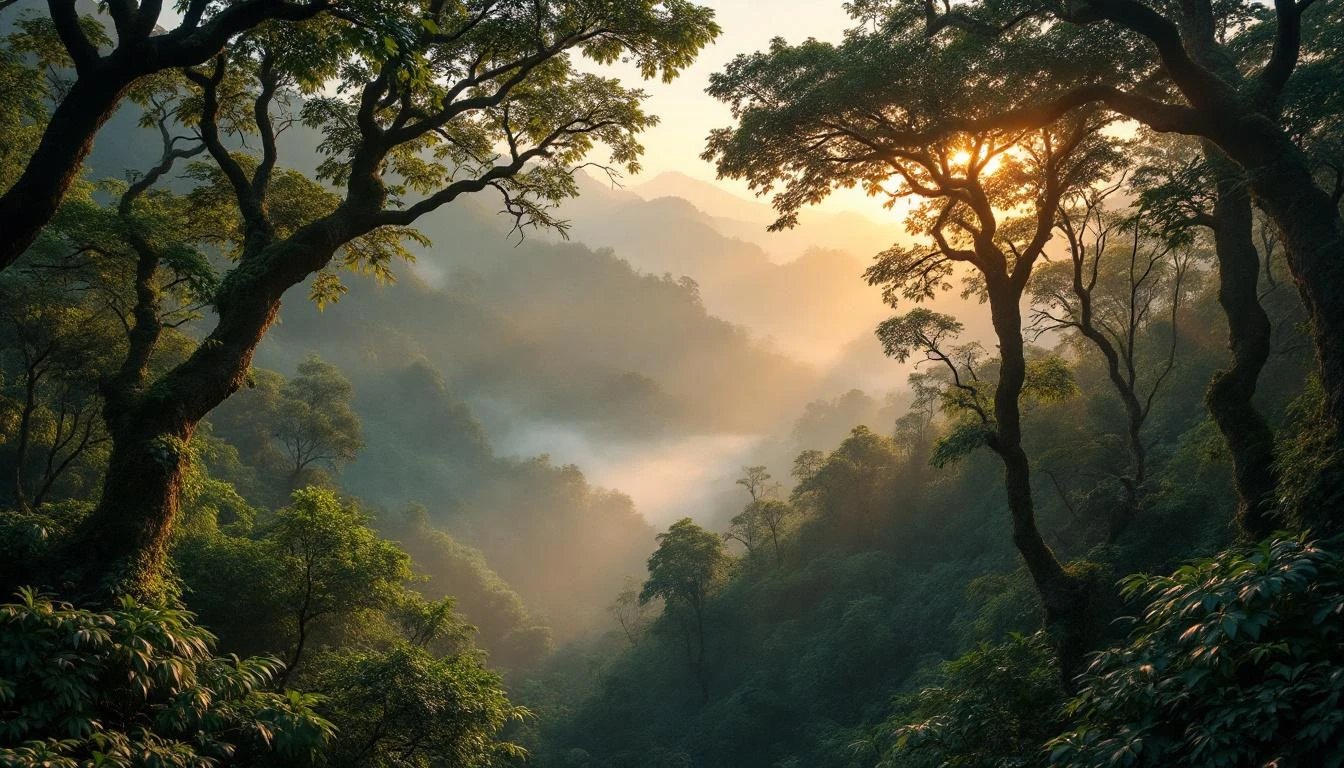
Home to orangutans, pygmy elephants, and some of the oldest rainforest on the planet — 130 million years old. Tourism revenue funds orangutan rehabilitation centers and rainforest corridor protection. The Danum Valley Conservation Area is one of the few places where primary rainforest exists exactly as it did before humans arrived.
Palm oil deforestation remains the existential threat. Tourism-funded conservation protects specific corridors, but the broader fight is far from won.
The original "high value, low volume" country. Bhutan charges a $200/day Sustainable Development Fee — not as a tourist tax, but as a deliberate policy to fund free healthcare, free education, and environmental protection. The country is constitutionally required to maintain 60% forest cover (currently at 71%). It's the world's only carbon-negative country.
Hurtigruten has sailed the Norwegian coastal route for over 130 years — this isn't a cruise itinerary, it's a postal route that became a way of life. Their hybrid-electric ships (MS Roald Amundsen, MS Fridtjof Nansen) are the first of their kind in expedition cruising. Norway itself will require zero-emission vessels in World Heritage fjords by 2026.
Every destination on this list is bookable through our partner network. As a Nexion Travel Group advisor, I can build an itinerary that matches your interests with verified conservation outcomes — and often with perks you won't find booking directly.